
- Home
- Mortgages
- The Jargon Explained
- Rates
- Capital Repayment
- Interest Only
- Variable Rate
- Discount Rate
- Fixed Rate
- Offset Rate
- Tracker Rate
- Capped Rate
- First Time Buyer
- Home Mover
- Move With Existing
- Re-Mortgage
- Rate Swap
- Increase Existing
- Debt Consolidation
- Right To Buy
- Help To Buy
- Buy To Let
- Let To Buy
- Self Employed
- High Net Worth
- New Build Property
- Shared Ownership
- Shared Equity
- Self Build
- Into Retirement
- Flexible Mortgages
- Insurance
- About Us

With this type of mortgage (also known as Repayment mortgage) you repay the amount borrowed together with the interest being charged each month.
In the earlier years, the majority of your monthly repayment is made up of interest, however towards the latter part of your mortgage term the situation is reversed with the majority of your monthly payment reducing the amount borrowed, until at the end of the mortgage term your mortgage is fully repaid.
With this type of mortgage you are only paying interest each month.
This means that although your payments will be lower the amount you borrow will still be outstanding at the end of the mortgage term.
You'll need to make alternative arrangements to pay off the mortgage as you will be liable to repay the debt in full at the end of the mortgage term.


Your payments move up or down at the lender's discretion.
Their decision may be influenced by changes in the Bank of England’s interest rate.
This type of deal lasts until your mortgage ends.
The advantages of standard variable rate mortgages are that it's normally free to leave your lender or make early repayments.
The disadvantages of standard variable rate mortgages however are the interest rate may go up so much that you struggle to meet your repayments.
It may be expensive compared to other deals.
However they are suitable if you’re looking for the opportunity to pay back extra amounts (and cut your interest costs) without a penalty.
Discount rate mortgages are a bit like a special offer to draw you in.
They are cheaper than a lender’s standard variable rate, but linked to it.
For example, if the lender’s standard variable rate is 5% and you take out a mortgage where the discount is 2% you’d be paying 3%.If the discount was 1% you’d be paying 4%.
The discount rate will only be on offer for an introductory period – usually between two and five years.
When that period ends, your mortgage will revert to the full standard variable rate. However, you can sometimes be tied in to the mortgage for a few years longer than the discount period.
Either way, you may have to pay an early repayment charge if you want to leave before the end of the tied-in period.
The advantages of discount rate mortgages are that Discount rate mortgages start off cheaper – so if you are on a tight budget the lower monthly repayment will help. If a lender cuts its standard variable rate, you’ll benefit and pay a lower rate each month.
If the Bank of England base rate falls, the rate on your discount mortgage may fall too, but there are no guarantees.
The disadvantages of discount rate mortgages, could be a lender can change its standard variable rate at any point and your discount rate will change at the same time. You may not be able to afford your mortgage payments if the rate goes up too much.
There may be early repayment charges if you want to leave before the end of the tied-in period. A rise in the Bank of England base rate is likely to result in an increase in the discount rate.
Suitable if you’re looking for the opportunity to pay less during the early years of your mortgage deal, and don’t mind the risk that rates might rise.


The fixed rate will only be on offer for an introductory period – usually between two and five years. When that period ends, your mortgage will revert to the full standard variable rate. However, you can sometimes be tied in to the mortgage for a few years longer than the fixed rate. Either way, you may have to pay an early repayment charge if you want to leave before the end of the tied-in period. The advantages of fixed rate mortgages are they guarantee your mortgage payments will be exactly the same every month until your deal expires. If your mortgage lender changes its other interest rates, for example those that track the base rate set by the Bank of England, your mortgage payments will stay unchanged. However the disadvantages of fixed rate mortgage are Fixed rate mortgages may be more expensive than other types. You won't benefit if interest rates go down, as your rate will stay unchanged also, they usually tie you in to early repayment charges during the fixed rate period. They are suitable if you’re looking for the security of knowing your monthly repayments won’t change, allowing you to budget more easily.
Your main current account, savings account or both are linked to your mortgage. Each month, the amount in these accounts is offset against your outstanding mortgage before working out the interest you owe. You are unlikely to earn interest on your savings which are offset against your mortgage.


Tracker mortgages move directly in line with another interest rate, normally the Bank of England’s base rate. So if the base rate goes up by 0.5%, your mortgage rate will go up by 0.5%. The advantages of tracker mortgages are that if the rate is linked to the Bank of England base rate and it falls, you’ll know for sure that your mortgage payments will fall. As well as most likely not having an upper limit for any over payments. The disadvantages of tracker mortgages are that I f the rate being tracked goes up too much, you may struggle to meet your repayments. Additionally You may have to pay an early repayment charge if you want to switch, although life time tracker rate mortgages may not have any early repayment charges. Suitable if you’re looking for the opportunity to pay less when interest rates are low and don’t mind the risk that rates might rise.
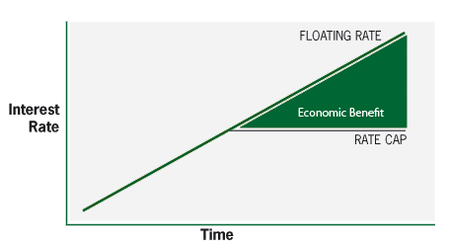
With capped mortgages, you pay the lender’s standard variable rate or a Bank of England Base rate tracker. However, if the applied rate goes above a certain level, your mortgage rate won’t rise any further, it will be capped at that point. The advantages of capped rate mortgages are you know that your monthly payments won’t rise above a certain level, so with luck, you should always be able to afford them. Your monthly payments will fall if the standard variable rate rate falls below the level of the capped rate. The disadvantages of capped rate mortgages are, your mortgage rate is linked to the standard variable or Bank of England base rate – apart from the cap. This means that your mortgage rate could be changed at the whim of your lender or the bank of England they are suitable if you’re looking for the opportunity to pay less when interest rates are low but without the risk of rates rising above a certain level.

A first-time buyer (FTB) is a term used in the British and Irish property markets, and in other countries, for a potential house buyer who has not previously owned a property . A first-time buyer is usually desirable to a seller as they do not have to sell a property, and as such will not involve a housing chain There are many factors a first-time buyer may need to consider before purchasing their first property; how much initial cash they will need for stamp duty and any solicitor fees, and if they need to arrange a mortgage how much are they able to afford.
A home mover is someone who already owns there own property but now wants to buy another property and sell their existing home, they can use the proceeds from the sale of their property known as equity to help fund their deposit and purchase.

Some people want to move home but they are tied into their mortgage for a few more years or maybe they have such a good rate with their mortgage they do not want to lose it. What we may be able to do is port your mortgage from your existing property to your new property and if you need to borrow a little extra we can also top up your mortgage too.
If you are looking to change your mortgage to a different deal, but you're not looking to move home then you are 'remortgaging' if you transfer your mortgage from one lender to another lender.

If you are looking to change your mortgage to a different deal, but you're not looking to move home or change your mortgage provider then you are swapping your rate, many people do this at the end of defined period in their mortgage such as at the end of a fixed rate period.
So you're in your home and you decide you would like to make some home improvements but do not have the funds yourself, you may want to release some of the equity in your property to fund this. Maybe you want to give your children some funds to help them pay for their wedding or buy a property of their own, well now you can by releasing some of the equity in your property.
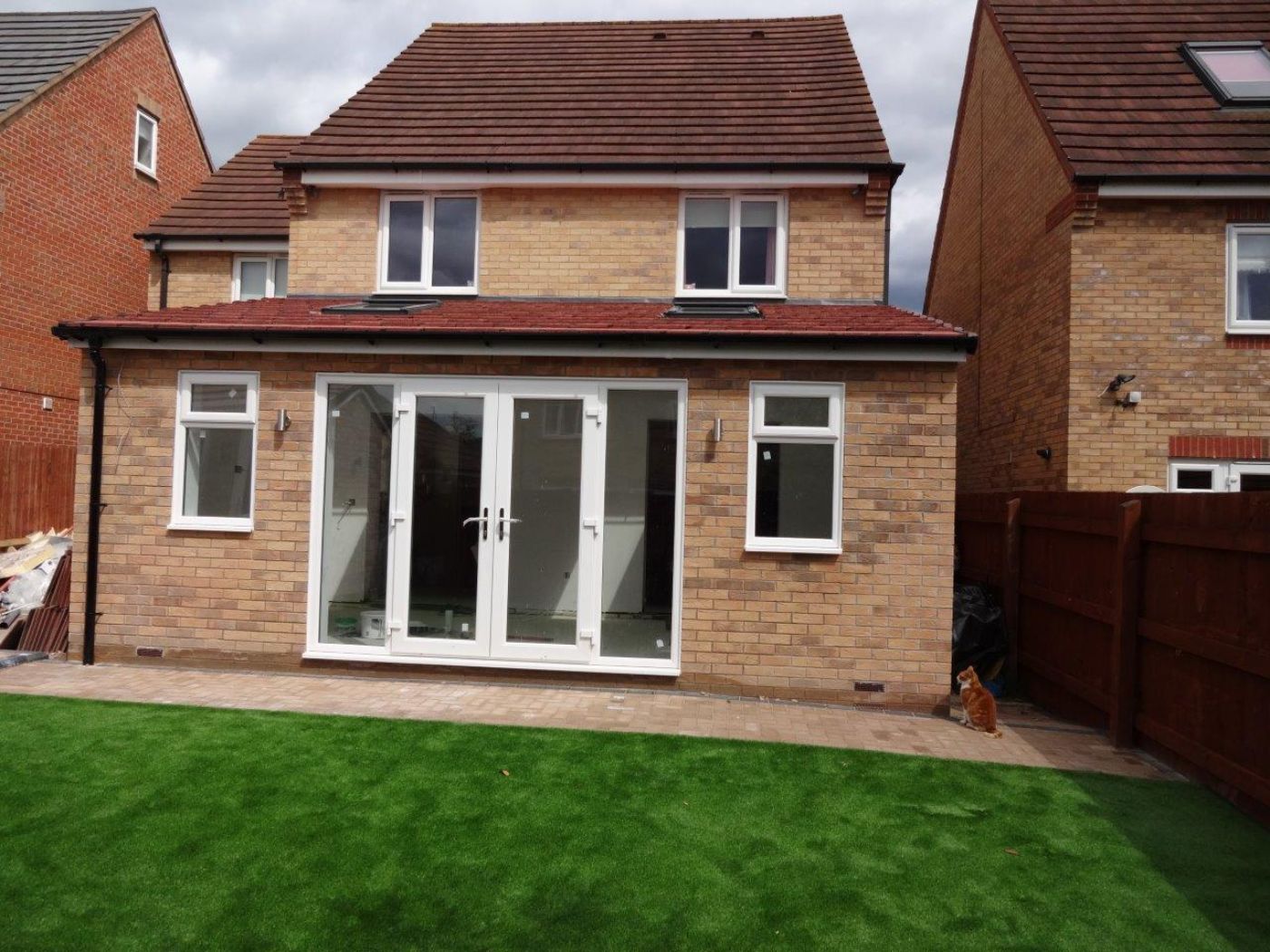

If you’ve got lots of different debts and you’re struggling to keep up with repayments, you may be able to merge these together into one loan as a way of potentially lowering your monthly payments. These loans are usually secured against your home although some lenders do offer unsecured consolidation loans, but for smaller amounts. With a consolidation loan (which can be secured or homeowner loans) you borrow enough money to pay off all your current debts and owe money to just one lender. Be careful though, as consolidation loans can be dangerous and lead to more debt. They were heavily marketed in the years leading up to the financial crisis, but are much less common now. Even if you decide you want one, you may struggle to find someone who will lend to you. Debt consolidation only makes sense if you use it as an opportunity to cut your spending and get back on track, you can keep up the payments until the loan is repaid and you can afford to pay off any fees or charges to your old lender(s).
Think carefully before securing other debts against your home. Your property may be repossessed if you do not keep up repayments on your mortgage.
The Right to Buy scheme is a policy in the UK which gives secure tenants of councils and some housing associations the legal right to buy, at a large discount, the home they are living in. There is also a Right to Acquire for assured tenants of housing association homes built with public subsidy after 1997, at a smaller discount. About 1.5m million homes in the UK have been sold in this manner since 1980.
Right to Buy mortgages currently are viewed as potentially having your access to credit limited.
For Right To Buy mortgages the overall cost for comparison is 5.9% APRC.
The actual rate available will depend on your circumstances. Ask for a personalised illustration.
REPRESENTATIVE EXAMPLE A MORTGAGE OF £200,000 PAYABLE OVER 25 YEARS, INITIALLY ON A VARIABLE RATE FOR 2 YEARS AT 1.17% AND THEN ON A VARIABLE RATE OF 4.99% FOR THE REMAINING 23 YEARS WOULD REQUIRE 24 PAYMENTS OF £769 AND 276 PAYMENTS OF £1,134. THE TOTAL AMOUNT PAYABLE WOULD BE £333,265 MADE UP OF THE LOAN AMOUNT PLUS INTEREST (£131,440) AND FEES (£1,825). THE OVERALL COST FOR COMPARISON IS 4.2% APRC REPRESENTATIVE.

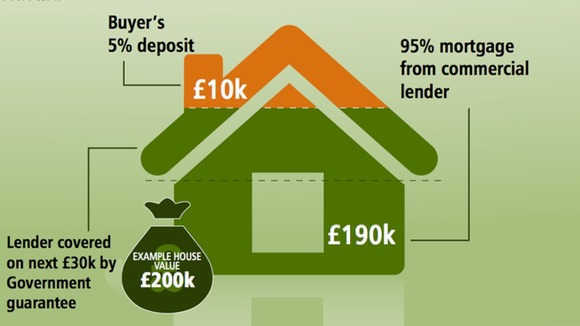
Help to Buy is the name of a government programme in the UKthat aims to help first time buyers, and those looking to move home, purchase residential property. It was announced in Chancellor of the Exchequer, George Osborne's 2013 budget speech, and was described as "the biggest government intervention in the housing market since the Right to Buy scheme" of the 1980s. It is an extension of a previous programme called FirstBuy that was aimed solely at first-time buyers.Help to Buy has itself been expanded and extended. This may be different in Scotland.
Looking to own more than one property or start a property portfolio? Then we can help! The main difference with a buy to let mortgage is that the lender takes into account the rent you will earn from the property as the primary source of income. Some may also take the landlord's personal income into account.
The FCA does not regulate some forms of Buy to let mortgage
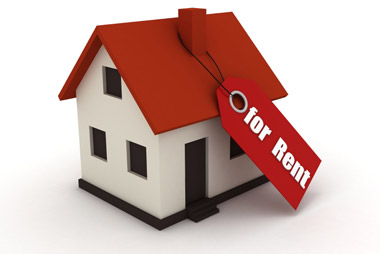

If you want to move house but you’re struggling to sell your current home or your property has dropped in value, let to buy is something you may want to consider. Letting out your property could allow you to move into a new home without feeling pressure to sell in a rush and potentially at a loss. If you own enough of the equity in your property, you could remortgage and release some cash to put down a deposit on a new home. You would then let out your existing property and use the rental income to cover the cost of the mortgage. This in turn will free you up to take out a mortgage for a new home and cover the repayments with your salary or other sources of income.
The financial crisis has taken a heavy toll on business owners and the self-employed looking for a mortgage, however, while times may be tougher it is still possible to secure a homeloan.
We lay out the options available to the self-employed and small business owners, and the tricks and traps to watch out for to help you to secure your dream property.
As self employed income can be dynamic, this figure can vary having an effect on your ability to lend this means self employed people's access to credit can be limited, a total APRC rate for a self employed person is 6.4%.
For self-employed mortgages the overall cost for comparison is 7.4% APRC.
The actual rate available will depend upon your circumstances. Ask for a personalised illustration.
REPRESENTATIVE EXAMPLE A MORTGAGE OF £200,000 PAYABLE OVER 25 YEARS, INITIALLY ON A VARIABLE RATE FOR 2 YEARS AT 1.17% AND THEN ON A VARIABLE RATE OF 4.99% FOR THE REMAINING 23 YEARS WOULD REQUIRE 24 PAYMENTS OF £769 AND 276 PAYMENTS OF £1,134. THE TOTAL AMOUNT PAYABLE WOULD BE £333,265 MADE UP OF THE LOAN AMOUNT PLUS INTEREST (£131,440) AND FEES (£1,825). THE OVERALL COST FOR COMPARISON IS 4.2% APRC REPRESENTATIVE.


For High Net Worth Mortgages many lenders limit their standard mortgages to a maximum loan amount of £1,000,000. Therefore if your request is in excess of this amount your application will be subject to specialist underwriting and processing. We are experts in High Net Worth Mortgages, please contact us to see how we can help you with this.
A brand new home is top of many people's wish list, and now that hard-pressed developers are pushing to sell their new-build properties there are plenty of attractive deals to help first-time buyers.
But despite the potential to get that foot on the ladder, the potential pitfalls with new-build developments are numerous, and, with lenders still wary, experts are warning buyers to tread carefully. The appeal of a new-build home, particularly if you're an FTB, is clear – you get a low-maintenance, modern home that is typically more energy-efficient than a resale property and therefore cheaper to run. If you buy early enough, you may even have a say in the fixtures and fittings, with no need for any dreaded DIY. Crucially, there is no onward chain to scupper your purchase which is a huge problem for buyers in the current climate.

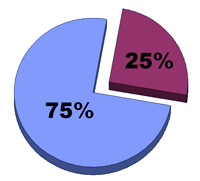
Shared ownership schemes are provided through housing associations. You buy a share of your home (between 25% and 75% of the home’s value) and pay rent on the remaining share. Overtime you can buy and increase your share in the property until you own the property out right as a whole this is a process called stair casing. You’ll need to take out a mortgage to pay for your share of the home’s purchase price. Shared ownership properties are always leasehold.
Shared equity schemes give you a loan that acts as part of the deposit on a property. You will still need to take out a mortgage on the remainder of the property price, but because the loan counts towards your deposit you may be able to take out a mortgage where you might otherwise struggle. Legally, you own 100% of the property.
In the short term, shared equity can mean you'll be able to buy a house without paying a big deposit, although in the long term it could work out as a more expensive way of buying a home. There is no interest charged on the equity loan in the first five years, but after that you pay a fee on the loan of 1.75%, rising each year by the retail price index (RPI) plus 1%.
After 25 years you will need to pay back the loan in full. As it is an ‘equity loan’, it is proportionate to the property value rather than being a fixed figure. Because of this, the amount you will have to repay will depend on the value of your property at the time.

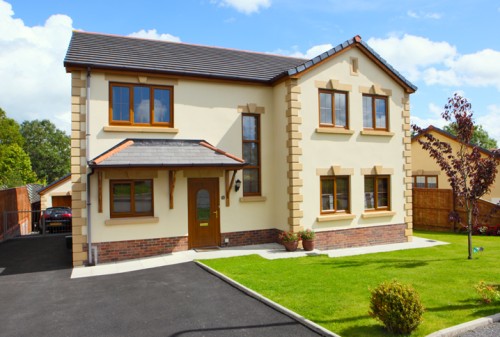
Ever watched Grand Designs and thought, I can do that? Me too!!!
Many of us dream of building our own home so that it is exactly the way we want it, but before you get carried away with your dreams the first thing you need to work out is how to finance the build.
If you are planning to embark on a self-build, you can either opt for the DIY route, where you do most of the work yourself, and use professionals like electricians or plumbers where necessary, or you can manage the process and employ a surveyor, an architect and tradesmen who do all the work on your behalf. Alternatively, you can arrange for a contractor to manage the whole project for you.
Whichever route you choose, you won't be able to get a standard residential mortgage, so you'll need to apply for a self-build mortgage unless you're fortunate enough to have the cash sitting in the bank.
With the scrapping of the default retirement age (DRA) many people would like to extend there mortgages past the previous constraint of the age 65 barrier, to help lower their monthly repayments. This is not without risk, fortunately we are here to help you explore this option and detail all the risks that are involved and the potential rewards available to you.
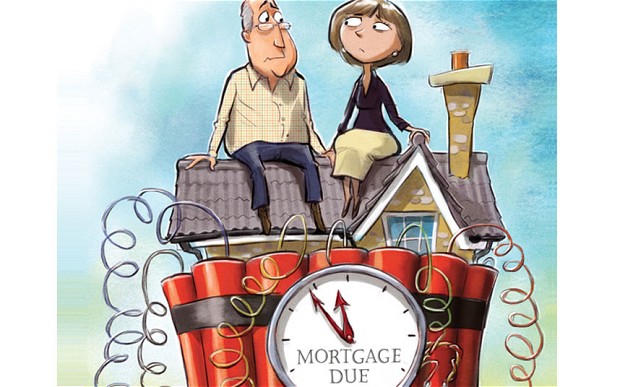
Just what exactly is a flexible mortgage? It certainly doesn't mean you can pay it when you want to! However, it does – as you might have guessed – give you greater flexibility when compared to a normal mortgage.
Now a flexible mortgage is just a normal mortgage, but with some extra, special flexible features bolted on. The features and how they work will differ between providers so it's important when we are searching for a mortgage, to find one that has the facilities you need.
For Right To Buy - The overall cost for comparison is 5.9% APRC.
The actual rate available will depend on your circumstances. Ask for a personalised illustration.